045
The Visual Metaphor of Sharpness
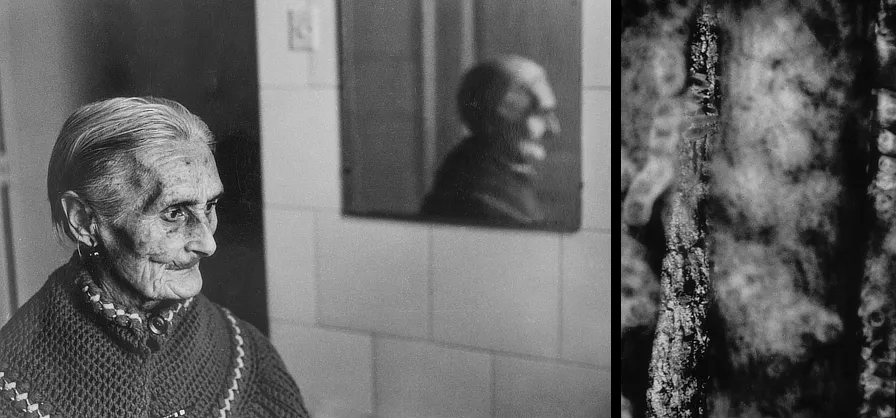
The control of light (1) and sharpness were two essential elements in the learning and visual communication of chemical photography. Understanding the function of the diaphragm (2) in the optical system of classical photography allows one to master the brightness and darkness of an image, as well as determine which areas are more or less defined based on the focus plane. The depth of field (3) of a photographic image depends on the diaphragm aperture and enables the photographer to decide which elements should remain sharp in the composition.
From a visual semiotics viewpoint, varying degrees of sharpness in a photograph are integral to its aesthetics, meaning, and visual metaphor. For example, a clear image of an elderly person in focus, with a blurred mirror reflection symbolizes life’s journey. In the Memorare project, a sharply focused part of a tree against a backdrop of unfocused forest elements created a dreamlike effect within the natural setting.
Keywords
References
Texts
- 1. 030 La llum com a metàfora del llenguatge / The light as a metaphor for language
- 2. Stroebel, L; Zakia, R. (1993). Encyclopedia of Photography. Boston: Focal Press. P. 213.
“One or more opaque plates that obstruct radiation in an optical system except through an opening that normally is centered on the optical axis. A variable diaphragm is typically a set of thin overlapping metal blades than may be adjusted to leave a symmetrical aperture of continuously changeable diameter”.
- 3. Stroebel, L; Zakia, R. (1993). Encyclopedia of Photography. Boston: Focal Press. P. 196.
“Strict geometrical theory of image formation by a lens indicates that when a lens is sharply focused on a subject…, only one plane can be in sharp focus and other regions are rendered unsharp […] Manipulation of the position and extent of depth of field is and important creative control, and knowledge of the means of extending, restricting, or simply achieving depth of field is a vital skill in practical photography. In practice, experiment shows depth of field can be controlled by the choice of the focal length and aperture of the lens and the focused subject distance, so can be calculated in terms of these three parameters”.
Images
- Reporting practice in a nursing home.
- One of the photographs of trees from the Memorare project.